Changes in the way average scores are computed in the Kenya Certificate of Secondary Education (KCSE) examinations have led to a sharp rise in the number of candidates attaining higher grades, significantly expanding access to university education and other advanced training opportunities.
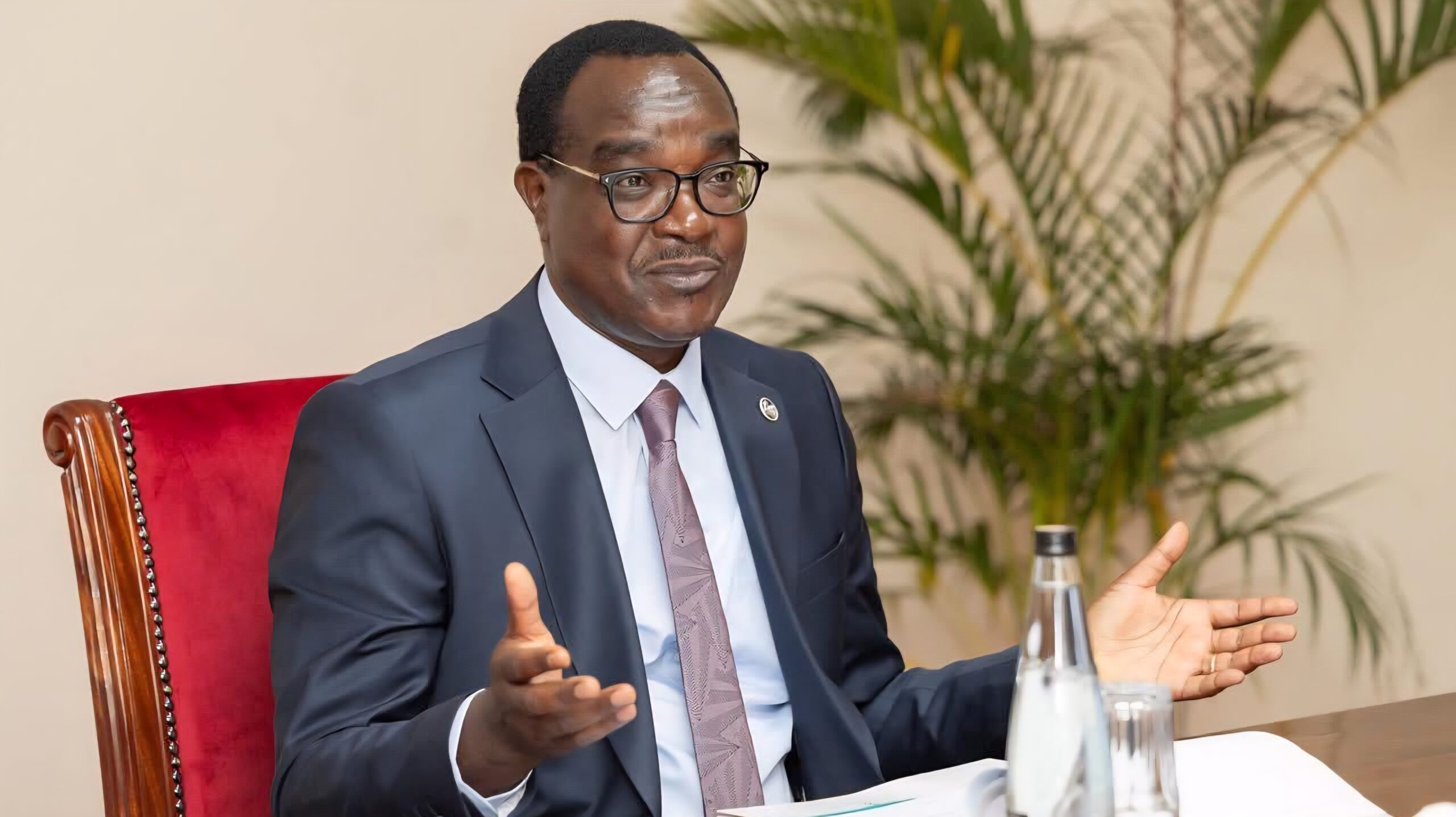
According to Kenya National Examinations Council (KNEC) Chief Executive Officer Dr David Njeng’ere, the KCSE 2025 results released yesterday place Kenya closer to countries where the proportion of university-eligible students aligns with population norms,particularly in stable societies without disruptions such as war, famine, or major health crises.
Dr Njeng’ere attributed the improved performance to reforms introduced in 2023 that changed how candidates’ mean grades are calculated. Under the revised system, KNEC now evaluates performance based on seven subjects instead of the previous eight.
The new formula considers Mathematics, the best-performed language among English, Kiswahili, or Kenyan Sign Language, alongside the candidate’s five best remaining subjects.
Since the adoption of this grading approach, the number of students qualifying for university entry has steadily increased. The KCSE 2025 results record the highest number of university-eligible candidates since major national examination reforms were implemented in 2016.
Out of 993,226 candidates who sat the examination, 270,715 attained a mean grade of C+ and above, making them eligible for university admission.
This translates to 27.18 per cent of the total candidates,an increase from 25.53 per cent in 2024, 22.3 per cent in 2023, 19.03 per cent in 2022, and just 11.3 per cent in 2017.
“For a long time, we have remained below the 20 per cent mark. In an education system like ours, that means we cannot produce enough university-trained manpower to drive economic growth,” said Dr Njeng’ere.
He noted that the rising proportion of university-qualified students signals that Kenya is moving in the right direction, drawing comparisons with countries such as Zambia, where about 50 per cent qualify, and South Korea, which records close to 70 per cent.
While there is no single global benchmark, education policy guidelines and reports by the United Nations Educational, Scientific and Cultural Organization (UNESCO) generally suggest an ideal transition range of between 30 and 40 per cent.

We bring you the latest news from the larger Gusii region and beyond.